

Pipeline
Introducing the next generation of disease-modifying therapies
Our investigational, first-in-class, disease-modifying, targeted therapies are intended to safely regulate and attenuate the immune system. These compounds are being studied for their potential to induce antigen-specific immune tolerance for patients with a range of autoimmune diseases. Backed by compelling preclinical and clinical data, our groundbreaking treatments have demonstrated the potential to induce targeted immune tolerance, offering new hope for patients with a range of autoimmune diseases.
Proprietary Programs
Preclinical
Phase 1
Phase 2
Phase 3
Regulatory Status
CNP-103
Type 1 Diabetes
Preclinical
Phase 1
Phase 2
Phase 3
Regulatory Status:
CNP-104
Primary Biliary Cholangitis
Preclinical
Phase 1
Phase 2
Phase 3
Regulatory Status:
Orphan Drug & Fast Track Designations
Partnered Programs


Preclinical
Phase 1
Phase 2
Phase 3
CNP-103 for type 1 diabetes (T1D)
T1D is an autoimmune disease in which the body can no longer make enough insulin to regulate blood sugar.1
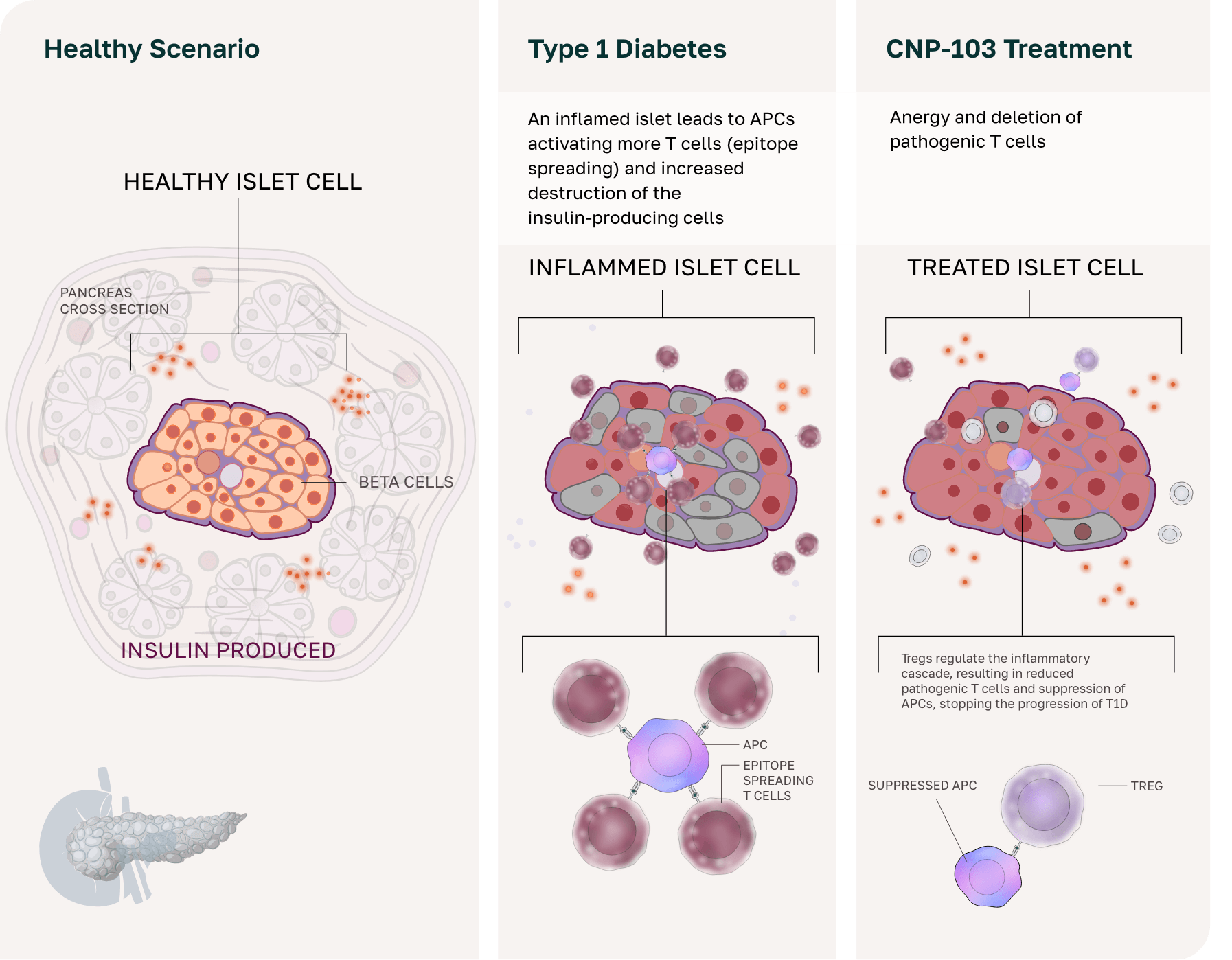
In a healthy body, the immune system protects from unwanted things like germs and infections. It leaves insulin producing cells, called beta cells, alone, allowing them to produce the insulin the body needs to regulate blood sugar.
In people with T1D, the immune system mistakenly attacks beta cells, which are in the pancreas. The damage from this attack leads to the beta cells not being able to produce insulin properly. Without insulin, sugar stays in the blood and makes the sugar levels too high. Symptoms of T1D include frequent urination, extreme thirst and hunger, fatigue, blurry vision, slow healing cuts and bruises, and weight loss despite eating.1
Treating T1D is characterized by managing symptoms. This includes monitoring blood sugar, administering insulin, and counting carbs to ensure appropriate insulin dosing. For someone who uses insulin every day, this can mean a significant daily burden. Over the course of a year, a person may experience 1,800+ finger sticks (if not using a continuous glucose monitor) and 1,400+ insulin injections (if using injections instead of an insulin pump).2,3
If not properly managed, T1D can lead to complications that may require emergency hospitalization. These include cardiovascular disease, chronic kidney disease, blindness, and neuropathy, among many other possible complications of T1D.4
CNP-103 is an investigational therapy being studied to see if it can help protect beta cells to support better blood sugar control in teens and adults with recently diagnosed T1D. It is designed to reprogram immune cells to recognize beta cells as friendly, normal cells again. It has the potential to offer a disease-modifying immune tolerance approach by encapsulating 4 recombinant proteins that cover more than 95% of the antigens that drive T1D. By calming the autoimmune attack on beta cells, the goal is to protect the remaining beta cells so they can continue to naturally produce insulin.
CNP-103 was granted Fast Track Designation by the United States Food and Drug Administration (FDA) in March 2025, and a first-in-human clinical trial was initiated in August 2025.
CNP-104 for primary biliary cholangitis (PBC)
PBC is a chronic autoimmune disease that targets the bile ducts in the liver, leading to progressive bile duct destruction, inflammation, and fibrosis.5 As the disease progresses, fibrosis worsens contributing to patients enduring debilitating symptoms, including cirrhosis, and may ultimately lead to liver failure, the need for a transplant, or death.5 Current therapies for PBC have limited long-term efficacy and fail to address the root cause of the disease.6
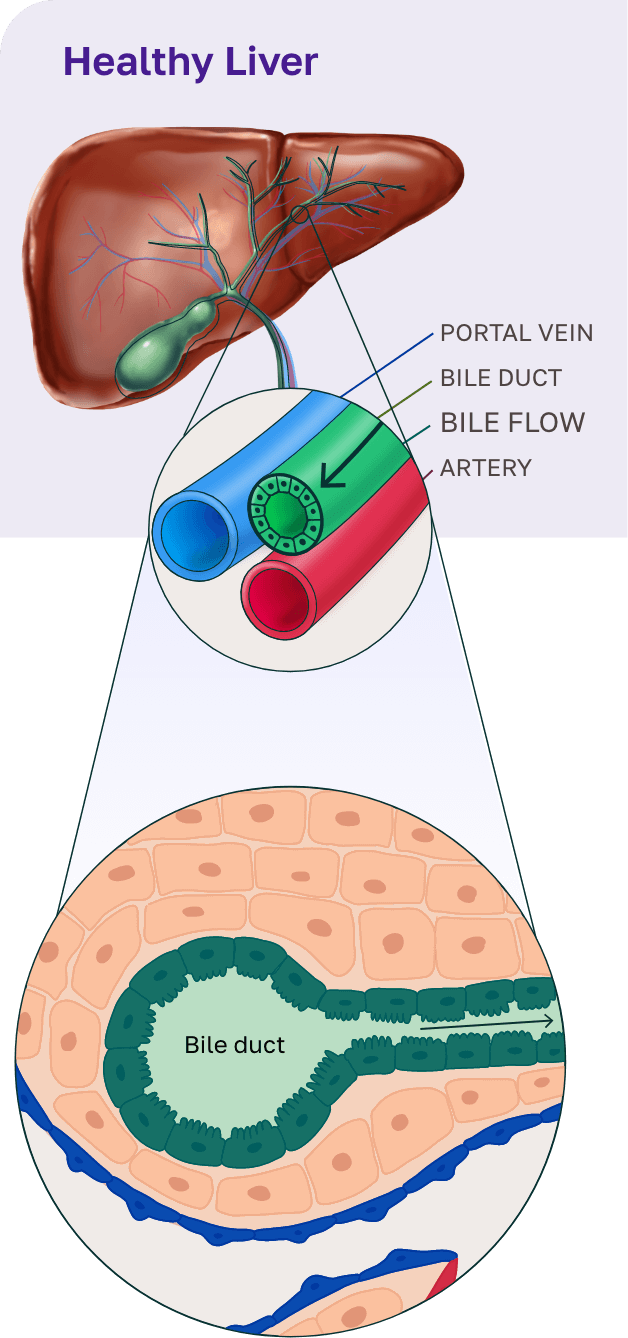
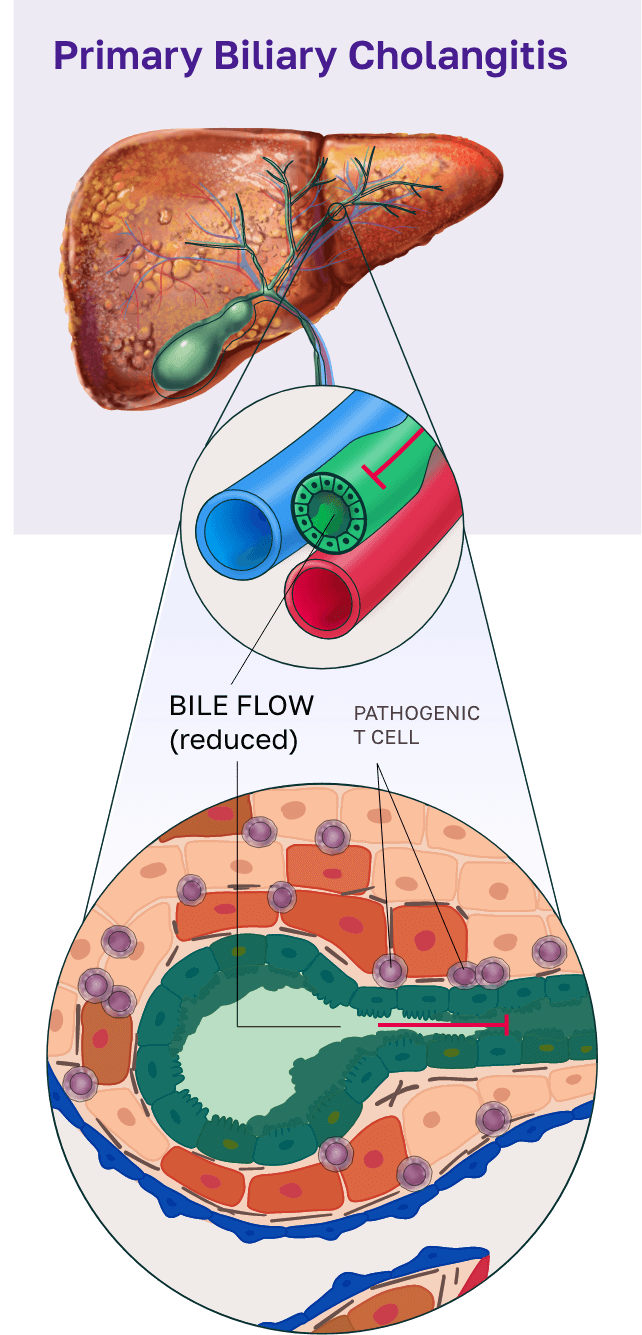
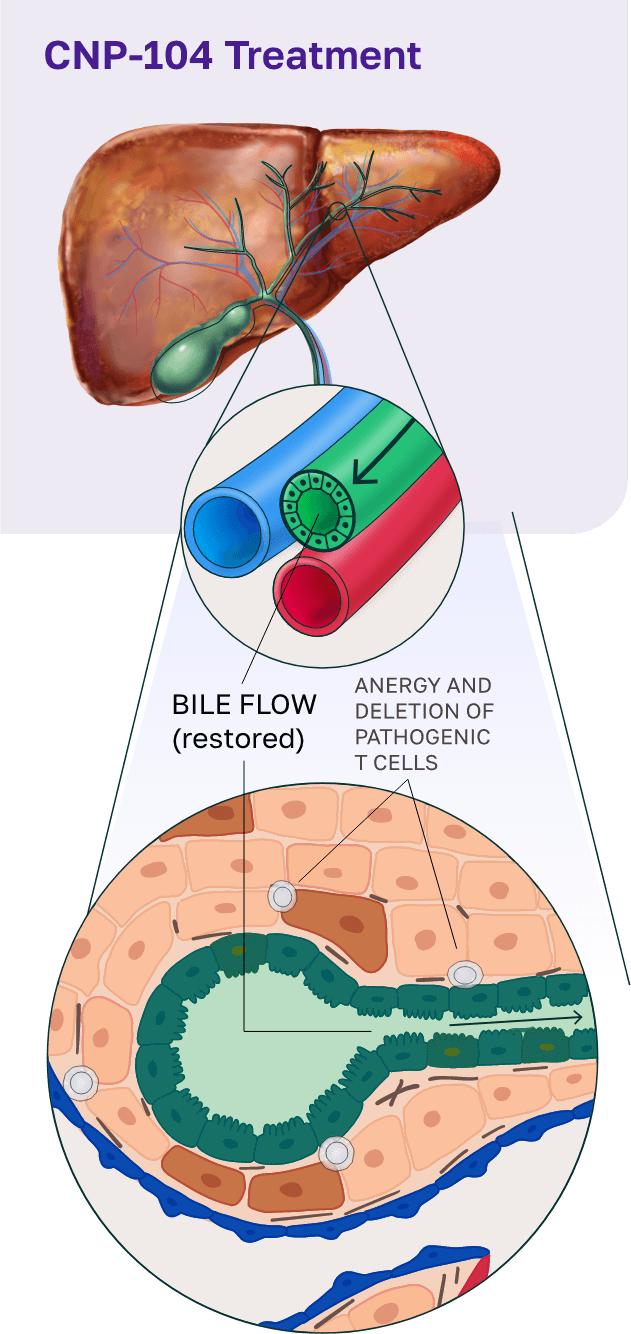
To address this, we are developing CNP-104, an investigational, first-in-class therapy designed to target the root cause of PBC. CNP-104 encapsulates the autoantigen pyruvate dehydrogenase complex E2 subunit (PDC-E2). CNP-104 is designed to reprogram the immune system to specifically regulate pathogenic T cells involved in bile duct destruction. In a Phase 2a clinical trial, CNP-104 demonstrated early signals of biological activity, inhibiting bile duct destruction with the goal of slowing disease progression. CNP-104 is an investigational therapy and has not been approved by the FDA.
CNP-104 was granted Fast Track Designation by the FDA in January 2022 followed by Orphan Drug Designation in December 2024.
CNP-106 for myasthenia gravis (MG)
MG is a chronic autoimmune disease that disrupts communication between nerves and muscles, leading to muscle weakness that can dramatically impair basic bodily functions, including vision, speech, swallowing, breathing, and mobility.7 As a result, people living with MG often face severe limitations in daily life and, in some cases, life-threatening crises.7 Current therapies rely on broad immune suppression or antibody depletion but do not target the underlying cause of the disease.7
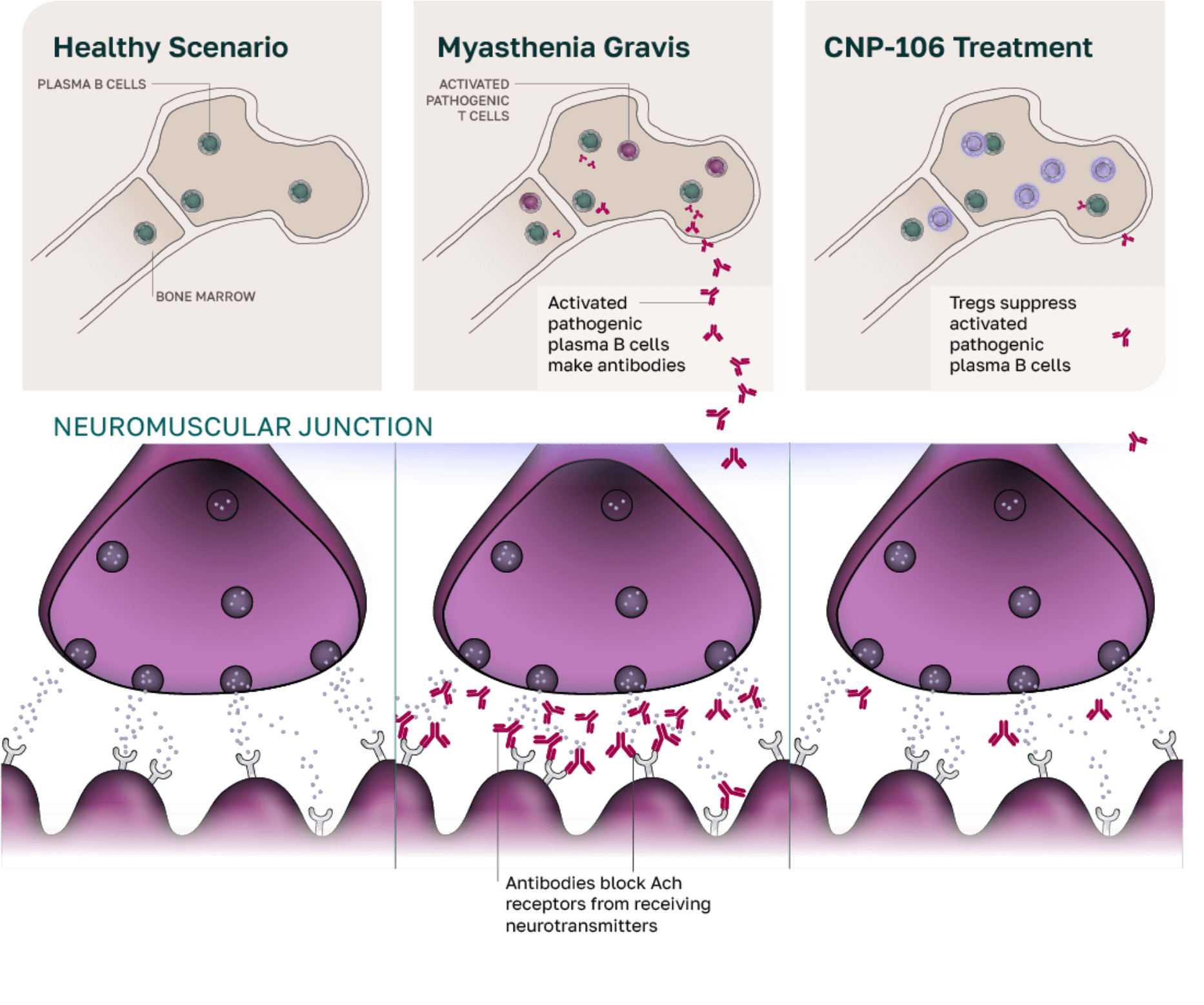
Additional limitations to these treatments include black box warnings, infection risks, complicated dosing protocols, and incomplete treatment response in 30% to 60% of patients.7,8
We aim to overcome these challenges with CNP-106, an investigational treatment for MG that encapsulates AChR-associated autoantigens. CNP-106 is designed to reprogram the immune system, resulting in the regulation of AChR antibody-producing B cells, inhibiting neuromuscular destruction and potentially providing a targeted and lasting solution for patients with MG.
CNP-106 was granted Orphan Drug Designation by the FDA in October 2025. COUR has completed enrollment of patients with MG in a phase 1b/2a trial to evaluate the safety and efficacy of CNP-106.
CNP-101/TAK-101 for celiac disease
Celiac disease is a serious autoimmune disorder that affects approximately 1% of the global population.9 For patients living with the disease, even small amounts of gluten trigger an immune attack on the small intestine.9 This leads to nutrient malabsorption while increasing the risk of osteoporosis, vitamin deficiencies, and even cancer.9 Following a strict gluten-free diet is the only disease management option, but it does not address the underlying autoimmunity, leaving patients vulnerable to relapse.9

References
- American Diabetes Association. “About Diabetes.” Accessed June 5, 2026.
https://diabetes.org/about-diabetes - Mayo Clinic Staff. “Blood sugar testing: Why, when and how.” Mayo Clinic. Accessed June 5, 2026.
https://www.mayoclinic.org/diseases-conditions/diabetes/in-depth/blood-sugar/art-20046628 - Centers for Disease Control and Prevention. “How to Use Insulin.” CDC Diabetes. Accessed June 5, 2026.
https://www.cdc.gov/diabetes/about/how-to-use-insulin.html - American Diabetes Association. “Diabetes Complications.” Accessed June 5, 2026.
https://diabetes.org/about-diabetes/complications - Pandit S, Samant H. Primary Biliary Cholangitis. In: StatPearls [Internet]. StatPearls Publishing; 2025. Updated February 12, 2023.
https://www.ncbi.nlm.nih.gov/books/NBK459209/ - Tanaka A. Challenges for diagnosis and treatment of primary biliary cholangitis. In: Rezaei N, ed. Translational Immunology: Challenges for Autoimmune Diseases. 5th ed. Academic Press; 2023:215-241.
https://doi.org/10.1016/B978-0-323-85389-7.00007-7 - Suresh AB, Asuncion RMD. Myasthenia Gravis. In: StatPearls [Internet]. StatPearls Publishing; 2025. Updated August 8, 2023.
https://www.ncbi.nlm.nih.gov/books/NBK559331/ - Schneider-Gold C, Gilhus NE. Advances and challenges in the treatment of myasthenia gravis. Ther Adv Neurol Disord. 2021;14:17562864211065406. doi:10.1177/17562864211065406
- American Diabetes Association. “About Diabetes.” Accessed June 5, 2026.
CNP-101/TAK-101 is a investigational, first-in-class antigen-specific immune tolerance therapy that is designed to reprogram the immune system to recognize gluten as harmless. In a phase 1b/2a clinical trial, patients treated with CNP-101 before gluten exposure showed significantly reduced immune responses and intestinal destruction compared with those who received placebo, suggesting potential to reduce gluten-related intestinal injury. Notably, this was the first clinical trial to demonstrate the induction of antigen-specific immune tolerance in humans in any autoimmune disease.
Takeda acquired the license for CNP-101 in 2019 and has completed enrollment in a phase 2b study, paving the way for a future in which celiac disease may be treated at its root cause.